
Water Damage Restoration Services
Professional Water Extraction, Structural Drying & Complete Property Restoration
Water damage is one of the most common and destructive problems property owners face. Whether caused by burst pipes, appliance failures, roof leaks, or natural flooding, water can compromise structural integrity, destroy valuable belongings, and create conditions for dangerous mold growth within just 24-48 hours. Professional water damage restoration is essential to minimize damage, prevent secondary issues, and return your property to its pre-loss condition quickly and safely.
Understanding Water Damage
Water damage extends far beyond visible standing water—it’s about the moisture that penetrates walls, floors, ceilings, and structural elements where you can’t see it. Without proper extraction and professional drying, this hidden moisture causes serious problems:
- Structural weakening of wood framing, subfloors, and drywall.
- Mold and mildew growth that begins within 24-48 hours of water exposure.
- Warping, swelling, and permanent damage to hardwood flooring and cabinetry.
- Electrical hazards from water contact with wiring, outlets, and appliances.
- Health risks from contaminated water and airborne mold spores.
- Unpleasant odors that permeate the entire property.
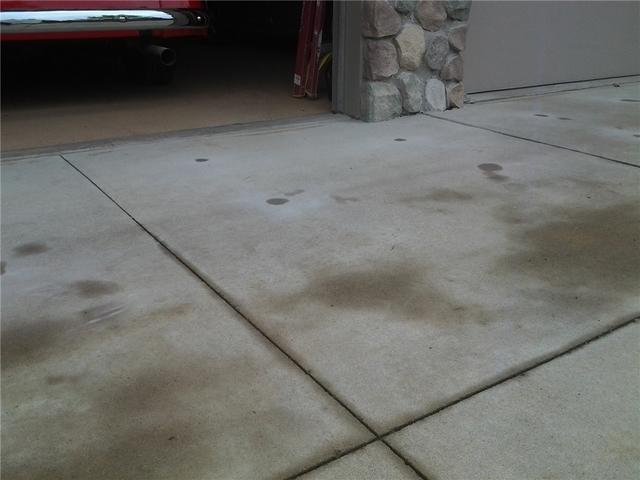
Professional water damage restoration addresses both visible water and hidden moisture using specialized detection equipment and proven drying techniques.
The Water Damage Restoration Process
Effective water damage restoration follows a systematic, proven process developed through decades of industry experience and scientific research:

Emergency Contact & Rapid Response
When you call for water damage restoration, a trained dispatcher gathers critical information about your situation and immediately dispatches a restoration team. For true emergencies, technicians typically arrive within 60 minutes to begin the mitigation process and prevent further damage.
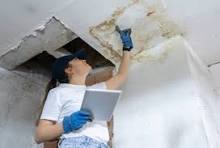
Inspection & Damage Assessment
Certified technicians conduct a thorough inspection using professional moisture meters, infrared thermal imaging cameras, and hygrometers to identify all affected areas—including moisture hidden behind walls, under flooring, and in ceiling cavities. This comprehensive assessment determines the full scope of restoration needed and guides the restoration plan.

Water Extraction & Removal
Standing water is removed using powerful truck-mounted and portable extraction units. Industrial-grade pumps and wet vacuums can remove thousands of gallons per hour, significantly reducing drying time and preventing further structural damage. Quick extraction is critical to successful restoration outcomes.

Drying & Dehumidification
After water extraction, the structural drying phase begins. Industrial air movers create high-velocity airflow across wet surfaces while commercial-grade dehumidifiers remove moisture from the air. Technicians monitor moisture levels daily and adjust equipment placement to ensure thorough drying. This phase typically takes 3-5 days depending on the extent of damage.

Cleaning & Sanitizing
All affected areas and salvageable contents are professionally cleaned, sanitized, and treated with antimicrobial solutions. This critical step prevents mold growth, eliminates bacteria and contaminants, and removes odors caused by water damage. Specialized techniques address different materials and contamination levels.

Restoration & Repairs
The final phase involves repairing or replacing damaged materials—including drywall, flooring, trim, insulation, and paint—to return the property to its pre-damage condition. Depending on the severity of damage, this may range from minor repairs to major reconstruction.
Categories of Water Damage
Water damage is categorized by the source and contamination level, which determines the appropriate restoration approach:
-
Clean Water: Water originating from a sanitary source such as broken water supply lines, sink or tub overflows with no contaminants, appliance malfunctions involving supply lines, or melting ice or snow. While not immediately hazardous, clean water can degrade to Category 2 or 3 if left untreated for more than 48 hours as bacteria multiply.
-
Gray Water: Water containing significant contamination that could cause illness or discomfort if ingested or exposed to skin. Sources include dishwasher or washing machine discharge, toilet overflows containing urine (no feces), sump pump failures, and aquarium or waterbed leaks. Gray water requires more extensive cleaning and protective measures during restoration.
- Black Water: Highly contaminated water containing pathogens, toxins, or other harmful agents that pose serious health risks. Sources include sewage backups, flooding from rivers, streams, or storm surge, toilet overflows containing feces, and any standing water that has supported bacterial growth. Black water damage requires specialized handling, extensive protective equipment, and often removal of affected porous materials.
Common Causes of Water Damage
- Burst or leaking pipes from freezing, corrosion, high pressure, or age.
- Appliance failures including water heaters, washing machines, dishwashers, and refrigerators with ice makers.
- Roof leaks caused by damaged shingles, deteriorated flashing, or storm damage.
- Foundation cracks and slab leaks allowing groundwater intrusion.
- HVAC system problems including condensation issues, clogged drain lines, and frozen coils.
- Sewage backups from clogged, damaged, or tree root-invaded sewer lines.
- Natural flooding from severe storms, flash floods, and river overflow events.
- Plumbing fixture failures including toilet overflows, bathtub overflows, and sink drain issues.
- Sump pump failures during heavy or extended rain events.
- Sprinkler system malfunctions including fire suppression systems
Why Professional Water Damage Restoration Matters
While minor water incidents might seem manageable with DIY efforts, professional restoration provides critical advantages that protect your property and health:
- Thorough Moisture Detection: Professional-grade moisture meters, thermal imaging cameras, and hygrometers detect water hidden behind walls, under floors, and in ceiling cavities that DIY efforts and visual inspection miss entirely. Finding all moisture is essential to preventing mold and structural damage.
- Industrial Drying Equipment: Commercial air movers and dehumidifiers dry structures 10-20 times faster than household fans and dehumidifiers. This speed significantly reduces total damage, prevents mold growth, and gets you back to normal faster.
- Scientific Drying Protocols: Professional drying follows established psychrometric principles to achieve target moisture levels efficiently. Technicians understand how temperature, humidity, and airflow interact to optimize drying in different building materials and conditions.
- Mold Prevention Expertise: Professional drying protocols are specifically designed to achieve moisture levels below the threshold where mold can germinate and grow—typically below 60% relative humidity and material moisture content matching dry standards for each material type.
- Contamination Handling: Category 2 and Category 3 water damage require specialized handling, personal protective equipment, and proper disposal procedures that protect both occupants and restoration workers from health hazards.
- Insurance Documentation: Professional restoration companies document all damage thoroughly with photos, moisture readings, and detailed reports. This documentation supports insurance claims and helps maximize coverage for legitimate losses.
- Structural Assessment: Trained technicians understand building construction and can identify structural concerns—compromised subfloors, weakened framing, damaged load-bearing elements—that homeowners often miss until problems become serious.
Professional Water Damage Restoration Equipment
Effective water damage restoration requires specialized equipment that most property owners don’t have access to:
Extraction Equipment: Truck-mounted extractors with powerful vacuum systems removing thousands of gallons per hour • Portable extractors for areas inaccessible to truck-mounted systems • Weighted extraction tools for pulling water from carpet and pad • Submersible pumps for standing water removal in flooded basements and crawl spaces
Drying Equipment: Centrifugal air movers creating high-velocity airflow across wet surfaces • Axial air movers for large commercial spaces • Low-grain refrigerant (LGR) dehumidifiers for efficient moisture removal • Desiccant dehumidifiers for low-temperature drying environments • Injectidry systems for drying wall cavities and hard-to-reach spaces • Specialty floor drying systems for hardwood and other flooring
Detection & Monitoring Equipment: Pin-type moisture meters measuring moisture in wood and other materials • Pinless moisture meters for non-invasive readings in finished surfaces • Thermo-hygrometers measuring temperature and relative humidity • Infrared thermal imaging cameras detecting moisture behind surfaces • Borescopes for inspecting wall cavities and confined spaces
Cleaning & Treatment Equipment: HEPA air scrubbers removing airborne contaminants and mold spores • Hydroxyl generators for safe, continuous odor treatment • Ozone generators for aggressive odor elimination • ULV foggers for antimicrobial application • Professional-grade cleaning and sanitizing solutions
Water Damage Restoration Timeline
Understanding typical timelines helps property owners plan appropriately for water damage restoration:
First 24 Hours (Critical Period): Emergency response, water extraction, and initial drying equipment setup are essential within the first 24 hours to minimize damage and prevent mold growth. This window is critical—damage increases exponentially with each hour water remains in the structure.
Days 2-5 (Active Drying Phase): Structural drying continues with daily monitoring by technicians. Moisture readings guide equipment adjustments and placement to ensure all affected materials reach target dryness. Most residential water damage requires 3-5 days of active drying.
Days 5-7 (Verification & Documentation): Final moisture readings confirm the structure has reached acceptable moisture levels. Documentation of moisture readings throughout the drying process verifies successful completion and supports insurance claims.
Week 2 and Beyond (Restoration Phase): Once the structure is verified dry, reconstruction and repairs begin. Timeline depends entirely on the extent of damage—from a few days for minor repairs to several weeks for major reconstruction. Restoration only begins after complete drying to prevent trapping moisture.
Note: Timelines vary significantly based on water volume, affected materials, ambient conditions, and property size. Severe flooding, large commercial properties, or complex water damage may require 2-4 weeks for complete drying alone.
Preventing Future Water Damage
After restoration, take proactive steps to prevent future water damage:
• Inspect plumbing regularly for leaks, corrosion, mineral buildup, and signs of wear • Replace rubber washing machine hoses with braided stainless steel hoses every 5 years • Clean gutters and downspouts seasonally to direct water away from your foundation • Test sump pumps annually and consider installing a battery backup system • Know the location of your main water shut-off valve and test it periodically • Install water leak detection devices near water heaters, washing machines, dishwashers, and under sinks • Maintain HVAC systems annually to prevent condensation and drain line issues • Address roof damage promptly after storms before leaks develop • Ensure landscaping and grading direct water away from your foundation • Insulate pipes in unheated areas to prevent freezing during cold snaps • Consider installing an automatic water shut-off system for added protection.
Need Water Damage Restoration?
If your property has suffered water damage, time is critical. Every hour that passes increases damage and restoration costs. Contact a professional restoration company immediately to minimize damage and prevent mold growth. Our team provides 24/7 emergency response with trained technicians and industrial-grade equipment.